Nutrition Flexibility: Allowing All Foods to Fit into a Healthy Lifestyle

Eating healthy doesn’t have to be about strict rules or depriving yourself of your favorite foods. The concept of nutrition flexibility suggests that all foods can fit into a healthy lifestyle. This approach emphasizes balance, moderation, and variety, creating a more sustainable way of eating. Instead of viewing food as good or bad, it's time to embrace flexibility in your diet. Let's explore how to incorporate this mindset into your eating habits for long-term success.
Understanding Nutrition Flexibility
Nutrition flexibility is about creating a diet that accommodates your lifestyle and preferences while still prioritizing your health. This means allowing room for indulgent foods without guilt and reinforcing the idea that nourishment comes in many forms.
Studies show that restrictive dieting can lead to a cycle of bingeing and deprivation, ultimately making it harder to maintain a healthy weight. Adopting a flexible approach helps eliminate the stress associated with food and allows for a healthier relationship with what you eat.

The Importance of Balance
Balance in nutrition refers to consuming a variety of foods from different food groups. A balanced diet includes fruits, vegetables, grains, proteins, and fats in appropriate portions. This approach not only provides essential nutrients but also makes meals more enjoyable and satisfying.
When practicing nutrition flexibility, consider applying the 80/20 rule. Aim to eat nourishing foods 80% of the time, which can consist of whole grains, lean proteins, fruits, vegetables, and healthy fats. The other 20% can be reserved for your favorite treats and indulgences. This balance helps ensure you're still nourishing your body while enjoying the foods you love.
One practical way to maintain balance in your meals is to plan them around your favorite foods. If you adore pizza, for example, consider making a healthier version at home with whole-grain crust and plenty of veggies. You can enjoy your pizza guilt-free, knowing you incorporated nutritious ingredients as well.
Emphasizing Moderation
Moderation is key when it comes to enjoying all types of foods. Moderation means allowing yourself to have treats without going overboard and learning to listen to your body’s hunger and fullness cues. This involves knowing when it's appropriate to enjoy a slice of cake or a handful of chips and acknowledging that these foods don't have to be off-limits.
When indulging, it can be helpful to practice mindful eating. This means slowing down and savoring each bite, paying attention to how the food tastes, and being aware of how it makes you feel. By focusing on the experience of eating, you can better determine when you've had enough.
Try keeping portion sizes in check. For instance, instead of eating directly from a bag of chips, pour a small serving into a bowl. This simple step helps avoid mindless snacking and allows you to enjoy your snack without losing track of how much you're consuming.
Variety is the Spice of Life
Incorporating a variety of foods into your diet not only keeps meals interesting but also helps ensure you receive a broad spectrum of nutrients. Different foods provide different vitamins, minerals, and antioxidants that your body needs to function optimally.
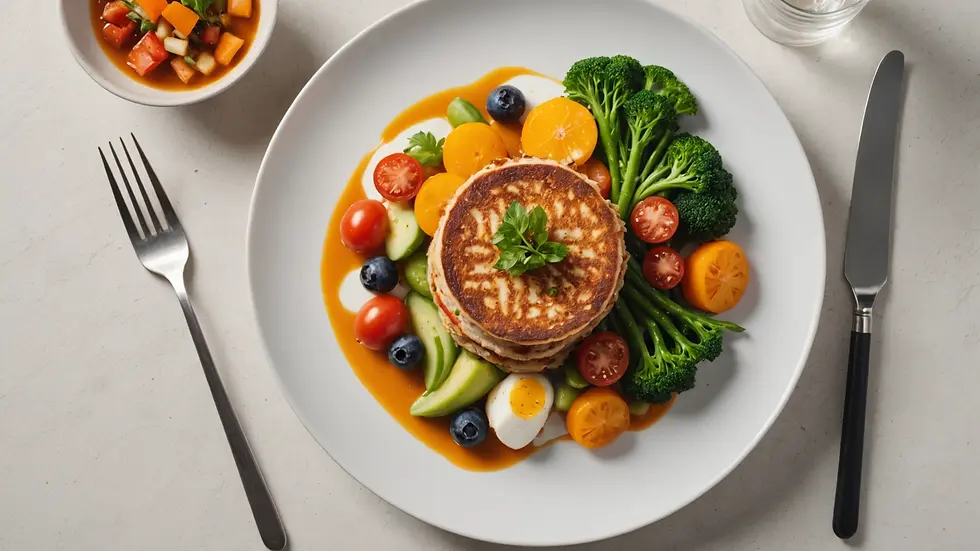
To make diversity a part of your meals, try to include a range of colors on your plate. For instance, create a vibrant salad with greens, tomatoes, yellow bell peppers, carrots, and purple cabbage. Each color represents a different set of nutrients, giving your body a well-rounded array of vitamins and minerals.
Experimenting with new foods can also be fun. If you've never tried quinoa or chickpeas, consider adding them to your next meal. Discovering unique flavors allows you to keep your meals exciting while ensuring you're getting different nutrients.

Incorporating Your Favorite Foods into a Balanced Diet
Incorporating your favorite foods into a balanced diet doesn’t need to be complicated. Here are several strategies to help make it happen:
Plan Treats: Schedule your favorite foods throughout the week. This gives you something to look forward to and helps prevent spontaneous bingeing.
Healthier Versions: Think about ways to recreate your favorites with healthier ingredients. Substitute Greek yogurt for sour cream or explore whole-grain alternatives for pasta and bread.
Portion Control: It's okay to enjoy dessert, but consider serving a smaller portion. Instead of a giant slice of cake, try a smaller piece with fresh fruit on the side.
Add Nutrients: When enjoying indulgent foods, think about how you can incorporate more nutrition. If you're having a burger, consider adding salad greens, avocado, or tomato to boost its nutritional profile.
Mindful Indulgence: When enjoying your favorite foods, focus fully on the experience. This means savoring the taste and texture of each bite, which can lead to greater satisfaction.
By utilizing these strategies, you can enjoy your favorite foods without sacrificing the principles of a balanced diet.
Building a Healthy Relationship with Food
A flexible nutrition approach allows individuals to build a stronger, healthier relationship with food. This relationship is based on enjoyment, satisfaction, and understanding that all foods provide value in their own right.
Here are a few tips to help foster this healthy relationship:
Reframe Your Thoughts: Instead of labeling foods as “good” or “bad,” try describing them based on how they make you feel. For instance, think of a fresh salad as nourishing and a slice of cake as enjoyable. This switch can reduce guilt and promote a positive mindset.
Practice Self-Compassion: Everyone has moments when they reach for comfort foods. Acknowledge that it’s okay and that you do not have to punish yourself because of it. Self-compassion plays a significant role in maintaining a healthy mindset around food.
Seek Support: If you're struggling with food relationships, consider speaking with a registered dietitian or nutritionist who can help guide you through the process of finding balance. They can offer personalized advice and encourage sustainable habits that align with your goals.
Listen to Your Body: Tune into your body's hunger and fullness signals. Eating when you're hungry and stopping when you're satisfied can foster a natural rhythm with food, making it easier to enjoy both healthy and indulgent options.
Embracing nutrition flexibility and weaving it into your everyday life allows for a healthier, happier approach to eating.
Final Thoughts
Nutrition flexibility is about empowering yourself to enjoy all foods while maintaining a healthy lifestyle. By focusing on balance, moderation, and variety, you can create a sustainable eating pattern that supports your well-being without restrictive rules.
Remember to incorporate your favorite foods thoughtfully, explore new flavors, and build a healthy relationship with food that fosters satisfaction and enjoyment. With this flexible mindset, you can cultivate a nutrition plan that truly fits into your life!


Comments